Biodegradable vs. Compostable: Decoding the Materials Behind Your Eco-Friendly Cutlery
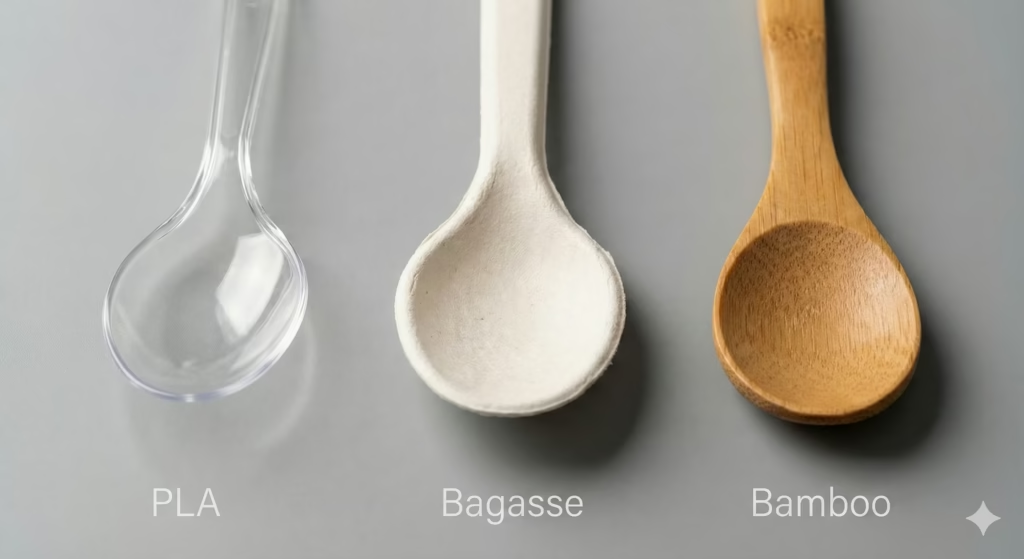
(Dateline: London) – Walk down the aisle of any modern supermarket, and you will see a plethora of “green” claims on disposable tableware. Terms like “eco-friendly,” “bio-based,” “biodegradable,” and “compostable” are often used interchangeably by marketers, leading to significant consumer confusion.
To make truly sustainable choices, it is crucial to understand the materials behind these products and what those labels actually mean for the product’s end-of-life.
The Crucial Distinction: Biodegradable vs. Compostable
While these terms seem similar, the difference is vital in waste management.
- Biodegradable: This simply means a material can be broken down by microorganisms (bacteria or fungi) into natural elements. However, there is no defined timeframe. Technically, some plastics are “biodegradable” over 500 years. Without a specific timeframe or certification, this label can sometimes be misleading greenwashing.
- Compostable: This is a much stricter standard. Compostable products must break down into non-toxic, nutrient-rich soil within a specific timeframe (usually 90-180 days) under industrial composting conditions. All compostable items are biodegradable, but not all biodegradable items are compostable.
The Top Contenders in Sustainable Materials
1. Bagasse (Sugarcane Fiber): Currently the gold standard for disposable plates and bowls. Bagasse is a byproduct of sugarcane processing—a waste material repurposed into sturdy, grease-resistant tableware. It is exceptionally eco-friendly and usually certified compostable.
2. PLA (Polylactic Acid): Often used for clear cups and cutlery that look like plastic. PLA is a “bioplastic” derived from renewable resources like corn starch or cassava. While better than petroleum plastic, PLA generally requires high-heat industrial composting facilities to break down properly; it will not decompose in a home garden compost pile.
3. Bamboo and Birch Wood: Used primarily for cutlery. These are rapidly renewable resources that offer a natural aesthetic and high durability. Uncoated wood is naturally biodegradable and often home-compostable.
Understanding these distinctions is the first step toward ensuring your eco-friendly purchase actually helps the planet.
Interested in our eco-friendly tableware?
We provide professional B2B customization solutions. Contact us for a quote.