Bagasse vs Paper vs Plastic: The Shocking Truth Revealed (2026)
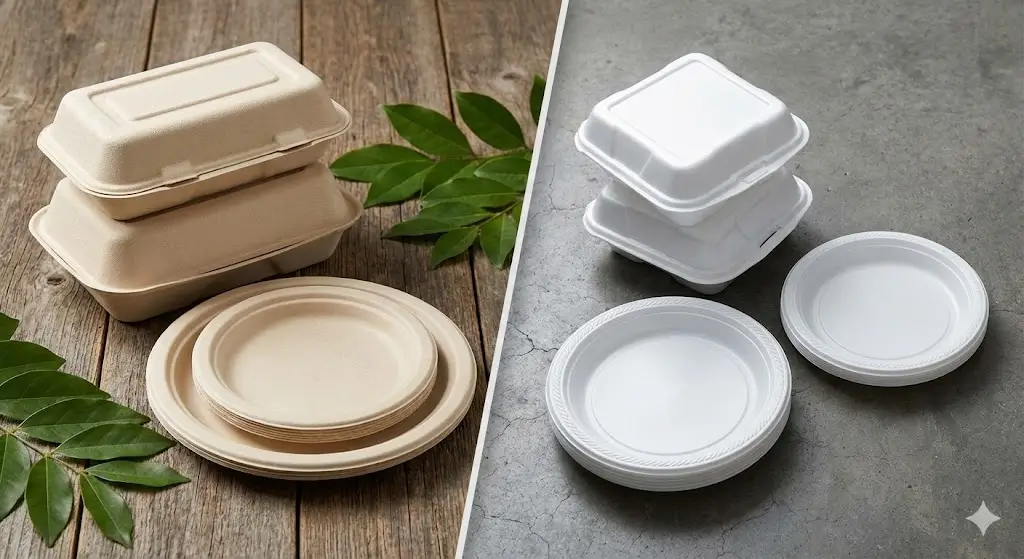
In the wholesale food service industry, choosing the right packaging is no longer just about price. Business owners are asking: Bagasse vs Paper vs Plastic—which one is truly the best? With global regulations tightening in 2026, making the wrong choice could destroy your profit margins.
Is paper actually eco-friendly if it’s lined with plastic? Is Styrofoam really releasing toxins into your food? In this shocking comparison of Bagasse vs Paper vs Plastic, EcoTable reveals the data that plastic manufacturers don’t want you to see.
Table of Contents
- The Toxic Truth About Plastic
- Why Paper Isn’t the Hero We Thought
- Bagasse: The Sustainable Revolution
- Ultimate Data Comparison
- Critical FAQs for Wholesalers
- Final Verdict
1. The Toxic Truth About Plastic (PS/PP)
For decades, plastic dominated the Bagasse vs Paper vs Plastic debate. But the hidden costs are terrifying. According to scientific studies on Microplastics (Wikipedia), petroleum-based containers break down into microscopic particles that contaminate our oceans and food supply.
- Health Hazard: When Styrofoam (EPS) holds hot food over 80°C, it can leach styrene—a likely human carcinogen—into the meal.
- Legal Nightmare: The EU, Canada, and major US states are aggressively banning single-use plastics. Sticking with plastic is a liability.
2. Why Paper Isn’t the Hero We Thought
When analyzing Bagasse vs Paper vs Plastic, many switch to paper. However, standard paper bowls have a dirty secret:
- The Plastic Lining: To hold soup or grease, paper must be lined with PE (Polyethylene). This makes it impossible to compost in standard facilities.
- Deforestation: Paper requires cutting down trees that take 20 years to grow. It is resource-intensive compared to annual crops.
- Soggy Bottoms: We’ve all experienced it—a paper plate collapsing under a heavy burger. It destroys the customer experience.
3. Bagasse: The Sustainable Revolution
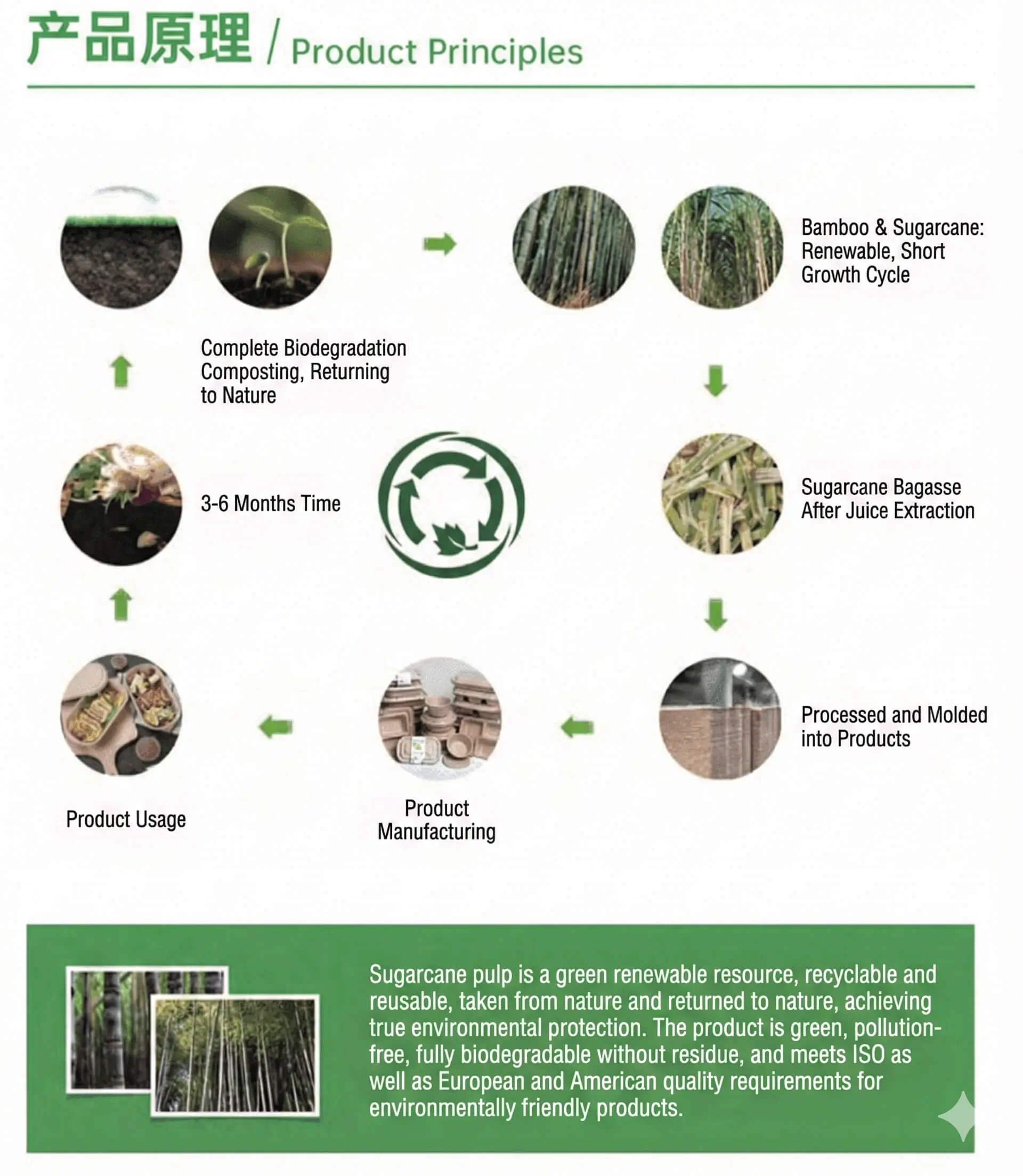
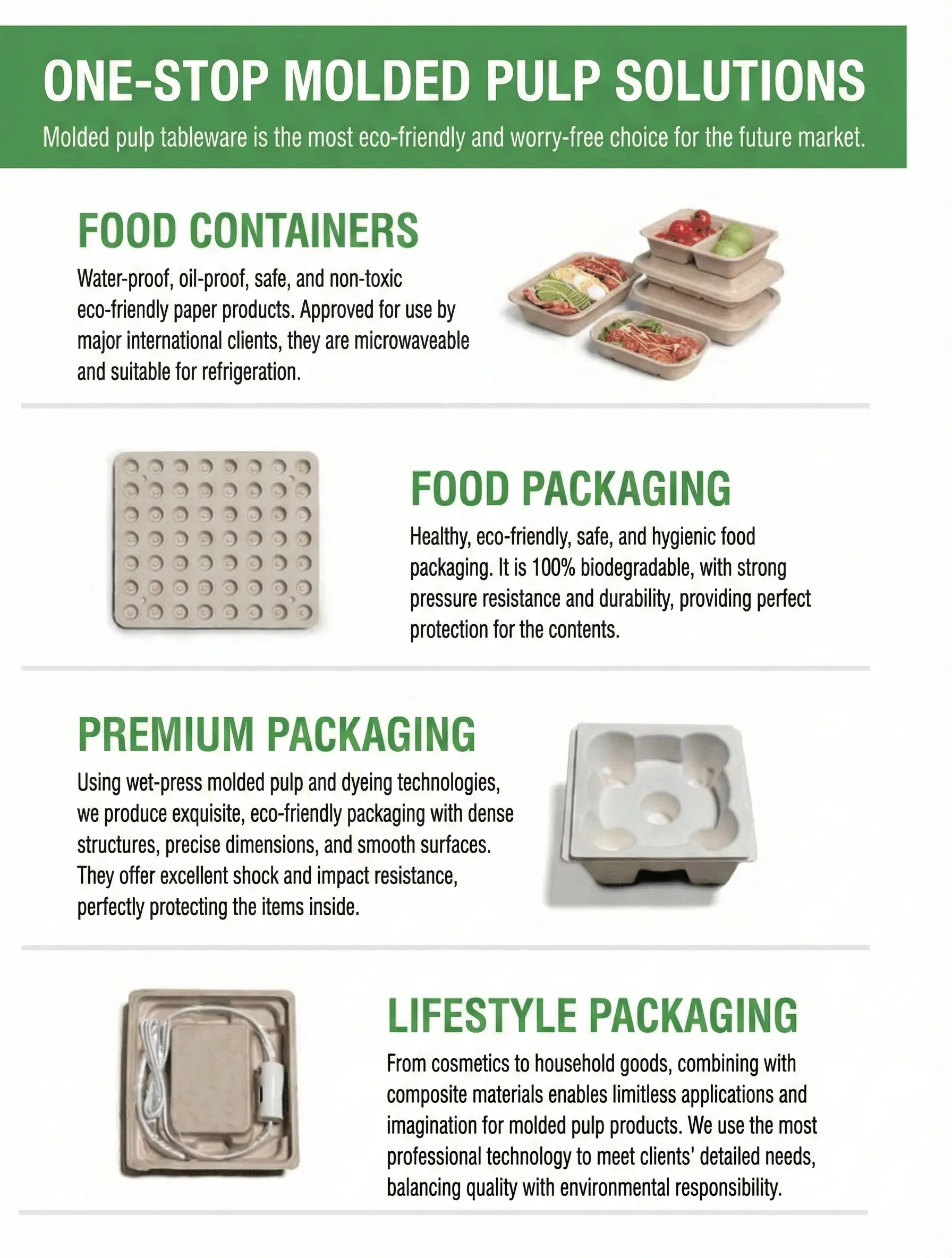
This is where Bagasse wins the Bagasse vs Paper vs Plastic war. Made from sugarcane waste, it solves every problem listed above.
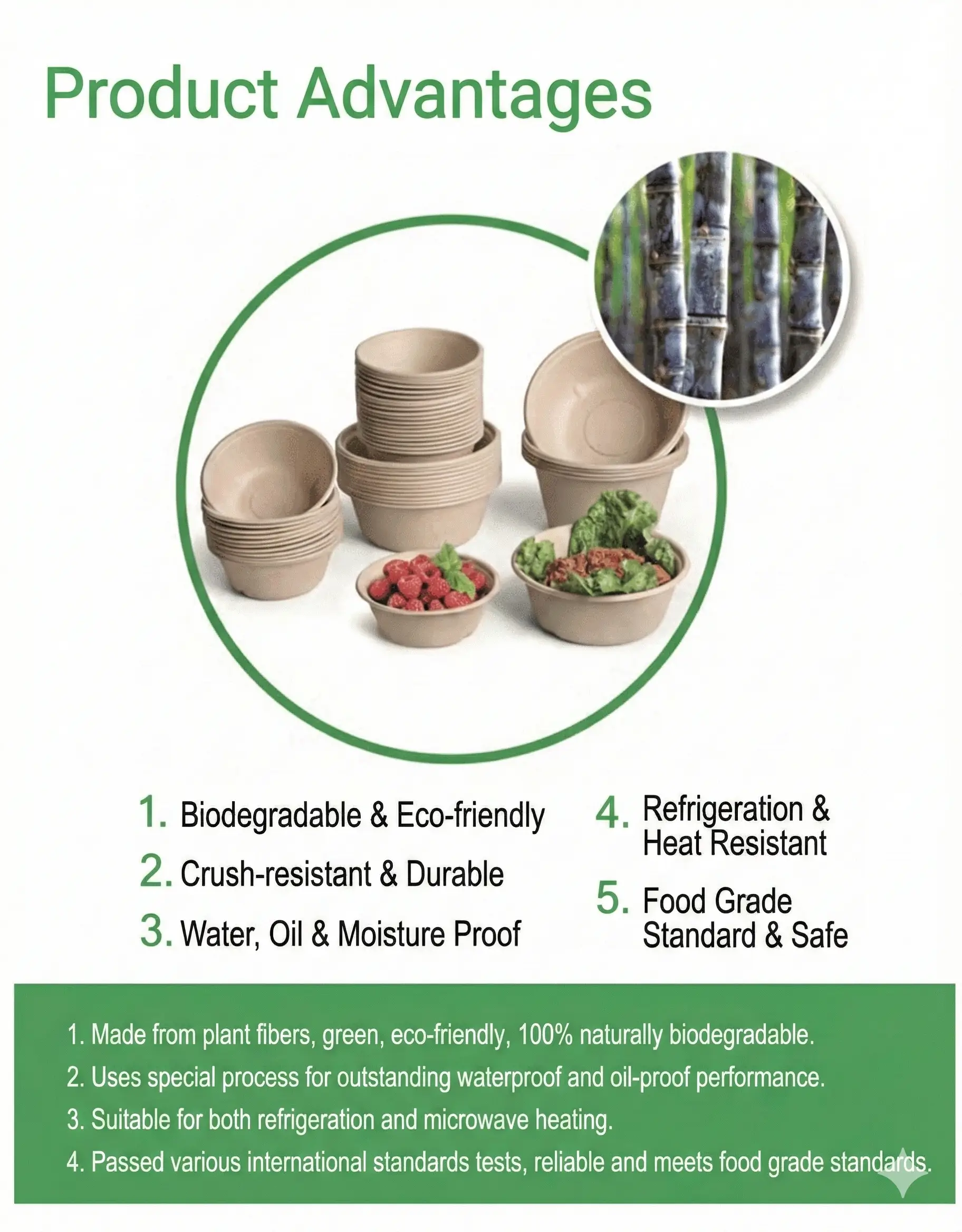
- Extreme Durability: Bagasse is molded under high pressure. Our 10-inch heavy-duty plates are rigid enough to hold a full steak dinner without bending.
- Microwave & Freezer Safe: Unlike plastic that melts, Bagasse handles -25°C to 220°C. It is the perfect material for our 18-Count Frozen Wonton Box, keeping dumplings fresh without sticking.
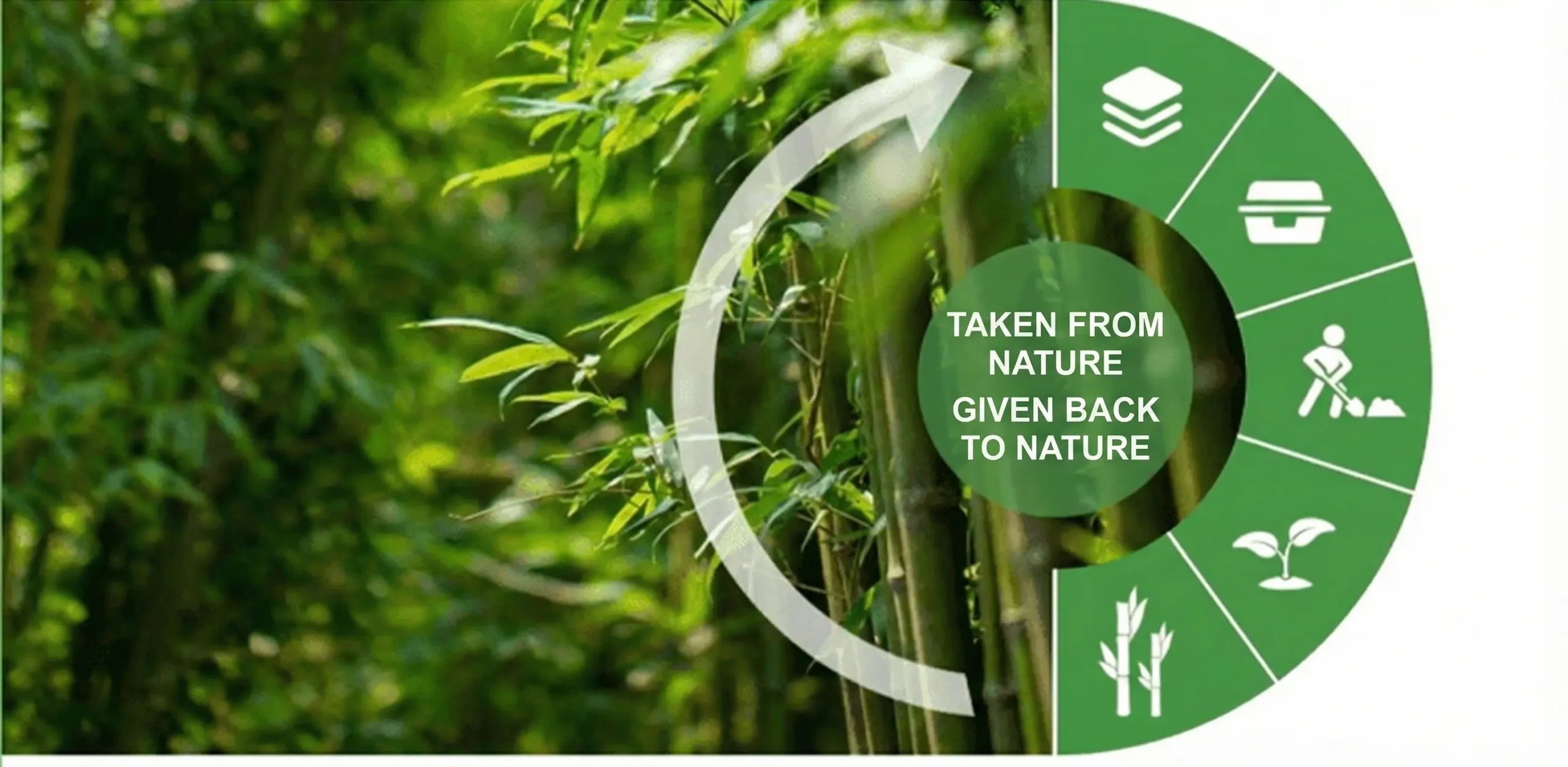
- 100% Compostable: It returns to the earth in 90 days, creating nutrient-rich soil instead of pollution.
Ultimate Data Comparison
| Metric | Sugarcane Bagasse | Paper (PE Lined) | Plastic (Styrofoam) |
| Raw Material | Sugarcane Waste (Renewable) | Trees (Slow) | Oil (Finite) |
| Heat Safety | Excellent (220°C) | Poor (Burns) | Dangerous (Melts) |
| Compostable | Yes (100%) | No (Plastic Liner) | No (Never) |
Frequently Asked Questions (FAQ)
Q: Is Bagasse more expensive than Styrofoam?
Slightly, but the gap is closing. When you factor in the marketing value of “Eco-Friendly” and the durability (no double-stacking needed), Bagasse offers better value.
Q: Can Bagasse hold hot liquids?
Yes. High-quality Bagasse is water and oil resistant up to 100°C. It won’t leak like cheap paper bowls.
Q: Is it safe for the freezer?
Absolutely. Products like our Wonton Boxes are designed specifically to withstand freezing temperatures without becoming brittle.
The Final Verdict
The winner of Bagasse vs Paper vs Plastic is clear. For modern wholesalers, Bagasse is the only future-proof choice.
It performs like plastic but heals the planet like a leaf. At EcoTable, we help you transition smoothly with factory-direct pricing on premium pulp tableware.
Ready to Switch?
Stop using toxic plastic. Upgrade to certified Sugarcane Bagasse packaging today.
Interested in our eco-friendly tableware?
We provide professional B2B customization solutions. Contact us for a quote.